
Internal plan:
- Article type: Practical how-to/listicle for parents.
- Images: A mix led by Rainbow Hut’s existing brand imagery: painted-hand hero, classroom learning, and educator/child activity photos. No generated visuals are needed because suitable on-brand assets are available.
- Research: General early-childhood fine motor guidance, EYLF connections, safe home activity adaptations, and relevant Rainbow Hut pages for accurate internal links.# Fine Motor Skills 101: Fun Play Ideas for Little Hands at Early Learning Centre Liverpool
When little hands squeeze playdough, turn a puzzle piece, thread a bead or make marks on paper, children are doing much more than having fun. They are building the hand strength, coordination, concentration and confidence needed for everyday tasks and future learning.
At Rainbow Hut Early Learning Centre Liverpool, we believe the best development happens through a nourishing balance of fun and learning. As a small, family-owned childcare service, we follow a children-first policy and create meaningful experiences that reflect each child’s interests, abilities, culture and stage of development.
Fine motor development is an important part of our growth-oriented programs, including our Penguins room for children aged 0–3 and Koalas room for children aged 3–5. Here are five simple activities Liverpool families can try at home, along with how our educators support these skills at the centre.
What Are Fine Motor Skills?
Fine motor skills involve the small muscles of the hands, fingers and wrists. Children use these muscles when they:
- Hold crayons, pencils and paintbrushes
- Pick up and release small objects
- Turn pages and manipulate books
- Fasten buttons, zips and shoes
- Use scissors safely
- Build with blocks
- Feed themselves with utensils
- Complete puzzles and construction activities
These skills develop gradually through regular opportunities for practice. Every child is unique, so our educators carefully observe each child’s progress and offer experiences that are appropriate, encouraging and achievable.
Fine motor play also supports hand–eye coordination, problem-solving, creativity, persistence and communication. When a child proudly completes a puzzle or explains a drawing, they are developing many areas of learning at once.
1. Playdough: Squeeze, Roll, Pinch and Create
Playdough is a wonderful open-ended activity for children of many ages. It is tactile, creative and full of fun and learning opportunities.
Encourage your child to:
- Roll playdough into long “snakes”
- Squeeze and flatten it with their palms
- Pinch small pieces using their thumb and index finger
- Push in craft sticks, shells or large natural objects
- Make pretend food, animals or family members
- Use cookie cutters to create shapes
- Hide and find larger objects in the dough
These actions help develop hand strength and control. The pinching movement is particularly useful because it helps children practise the type of grip later needed for drawing and writing.
For younger children, always choose age-appropriate materials and supervise closely. Avoid small loose parts that may present a choking risk.
At Rainbow Hut Early Learning Centre Liverpool, playdough can be incorporated into sensory play, dramatic play, storytelling and creative projects. A child might make a nest after reading a bird story, create pretend meals in the home corner or shape letters and numbers as part of a fun-learning experience.
2. Threading: Building Coordination and Concentration
Threading activities encourage children to coordinate both hands while developing precision and patience. At home, you can use:
- Large wooden beads and thick shoelaces
- Pasta tubes and pipe cleaners
- Cardboard shapes with large holes
- Large buttons and sturdy string
- Cut-up paper straws
Begin with larger items and a firm threading material, such as a pipe cleaner. As your child’s confidence grows, they can gradually try smaller objects or create a pattern.
You can make the activity more meaningful by inviting your child to:
- Create a necklace for a teddy bear
- Follow a simple colour pattern
- Count the objects as they thread
- Sort materials by colour or size
- Talk about the design they have made
Threading supports the pincer grip, bilateral coordination and early mathematical thinking. It also gives children a valuable opportunity to practise persistence. If the task feels difficult, offer encouragement rather than taking over: “You are working hard to guide that bead onto the string.”
3. Puzzles: Fun Problem-Solving for Little Learners
Puzzles help children practise grasping, turning, fitting and releasing pieces. They also encourage spatial awareness and logical thinking.
Choose puzzles based on your child’s age and current interests:
- Chunky wooden puzzles for younger children
- Simple inset puzzles with familiar animals or vehicles
- Two- to twelve-piece puzzles for developing learners
- Floor puzzles with larger pieces
- More detailed jigsaw puzzles for older preschoolers
Try not to focus only on whether the puzzle is completed. Ask open-ended questions such as:
- “What do you notice about this piece?”
- “Where could that shape fit?”
- “What colour are you looking for?”
- “Would turning it around help?”
This keeps the experience centred on fun and learning rather than getting the “right” answer quickly.
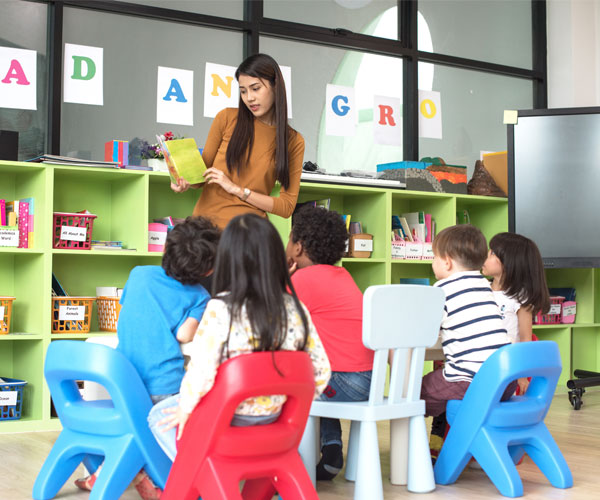
Puzzles are also valuable in group settings. At our early learning centre in Liverpool, educators can support children to work together, share resources, describe their ideas and celebrate one another’s efforts.
4. Scissors: Learning Safe Cutting Skills
Cutting with scissors helps children develop hand strength, control and coordination. It is important to introduce this skill slowly and use child-safe scissors under close adult supervision.
At home, offer simple cutting activities such as:
- Snipping strips of paper
- Cutting along short straight lines
- Following wavy or zigzag lines
- Cutting out large shapes
- Making a collage from paper scraps
- Cutting playdough with appropriate tools
Show your child how to hold the scissors safely and how to turn the paper with their other hand. Some children will initially find it easier to practise snipping before attempting to follow a line.
Keep the activity relaxed. Cutting does not need to result in a perfect shape. The most important outcomes are confidence, safe tool use and growing control.
Educators at Rainbow Hut Early Learning Centre Liverpool intentionally introduce tools and materials in a supported way. We adjust the level of challenge, model techniques and give children time to practise at their own pace.
5. Drawing, Colouring and Mark-Making
Drawing is one of the most accessible ways to strengthen fine motor skills while supporting self-expression. Children can draw with:
- Chunky crayons
- Washable markers
- Coloured pencils
- Chalk outdoors
- Paintbrushes and water
- Cotton buds for dot painting
- Fingers in sand, flour or shaving foam
Invite your child to draw family members, imaginary creatures, homes, maps or stories. You could also place paper under leaves or textured objects and rub over them with a crayon to create patterns.
For younger children, scribbling is meaningful mark-making. For older preschoolers, drawing may develop into more recognisable pictures, symbols, patterns and early writing attempts. Avoid correcting their work or asking them to copy letters before they are ready. Instead, encourage conversation:
“Tell me about your picture.”
This supports language, creativity and confidence alongside hand control.

How Our Early Learning Centre Supports Fine Motor Development
Fine motor skills are not taught through worksheets alone. At Rainbow Hut, they are naturally woven through our Early Years Learning Framework and School Readiness Program.
Our educators provide opportunities through:
- Creative arts and craft
- Playdough and sensory experiences
- Puzzles and construction materials
- Drawing and early mark-making
- Threading and collage
- Dramatic play and cooking experiences
- Outdoor chalk and nature-based activities
- Technology used purposefully alongside hands-on play
These experiences connect with children’s wellbeing, confidence, learning and communication. You can learn more about our approach through our Early Years Learning Framework and School Readiness Program.
We also value strong, long-term relationships with families. Through daily family communication, learning stories and conversations with educators, families can see what their child has been exploring and continue the learning at home.
Helpful Tips for Liverpool Families
To make fine motor practice enjoyable:
- Keep activities short and engaging.
- Follow your child’s interests.
- Offer choices of colours, tools and materials.
- Celebrate effort, not perfection.
- Begin with larger objects before progressing to smaller ones.
- Allow your child to repeat favourite activities.
- Supervise all scissors and small-part experiences.
- Speak with educators if you have questions about your child’s development.
A few minutes of playful practice each day can make a precious difference over time. The goal is not to rush children, but to build capacity through warm encouragement and repeated opportunities.
Discover Fun and Learning at Rainbow Hut
At Rainbow Hut Early Learning Centre, we are committed to shaping young minds in a safe, inclusive and respectful environment. We celebrate multiculturalism, diversity and individual beliefs while nurturing each child’s unique potential.
Rainbow Hut Early Learning Centre has three locations: Liverpool, Blacktown and Prestons: supporting families across our local communities. If you are looking for an early learning centre Liverpool families can trust, we would love to welcome you.
Contact our Liverpool centre or book a tour to discover how our educators support fun, purposeful learning every day. GET IN TOUCH TODAY!


